

Custom Rugs for Projects: MOQ, Lead Time & Cost Guide for Designers
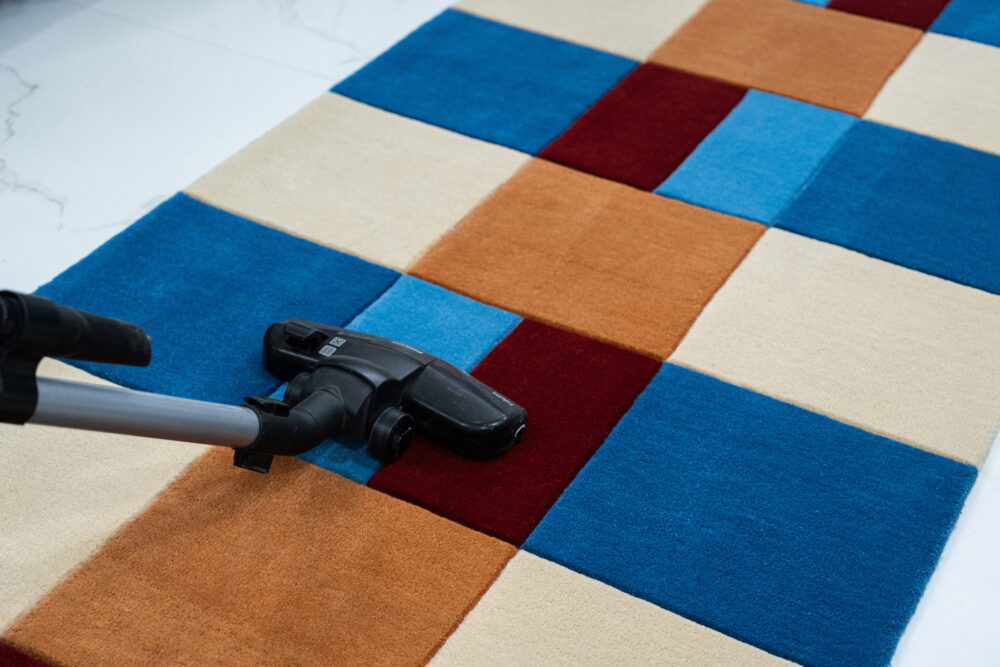
Custom rugs play a key role in modern interior projects. Designers, architects, and hotel buyers often need specific sizes, colors, and patterns. Therefore, off-the-shelf rugs do not always work. Custom rugs solve this problem. However, before you place an order, you must understand MOQ, lead time, and cost structure. In this guide, you will get a clear and practical breakdown.
Why custom rugs matter in projects
First, every project has a unique identity. Therefore, standard rugs may not match the design vision. Custom rugs allow you to control size, color, material, and pattern. Also, they help create a consistent look across spaces. In hotels, for example, rugs must match branding and withstand heavy use. So, custom solutions offer both design and performance benefits.
What is MOQ (Minimum Order Quantity)?
MOQ means the minimum quantity you must order from a manufacturer. In custom rug production, MOQ depends on several factors.
Why MOQ exists
MOQ helps cover production setup costs. For example:
- Yarn sourcing
- Dyeing process
- Loom setup
- Labor planning
Therefore, higher quantities reduce cost per piece.
Lead time: how long custom rugs take
Lead time is the total time from order confirmation to delivery. It includes design approval, production, finishing, and shipping.
Typical lead time breakdown
- Design & sampling: 5-15 days
- Production: 30-90 days (depends on size and technique)
- Finishing & quality check: 5-10 days
- Shipping: 7-30 days (based on location)
Therefore, total lead time usually ranges from 45 to 120 days.
Factors affecting lead time
- Rug size and complexity
- Weaving technique (hand-knotted takes longer)
- Order quantity
- Material availability
- Shipping method
So, always plan early, especially for large projects.
Cost structure: what affects pricing
Custom rug pricing is not fixed. Instead, it depends on multiple factors
1. Material
Material has the biggest impact on cost.
- Wool: mid to high range
- Silk: premium
- Jute: budget-friendly
- Blends: cost-effective balance
2. Construction type
- Hand-knotted: highest cost, longest life
- Hand-tufted: mid-range cost
- Flatweave: lower cost, durable
3. Size
Larger rugs cost more. Pricing usually depends on per square meter or square foot.
4. Design complexity
Simple patterns cost less. However, detailed designs with many colors increase labor time and cost.
5. Quantity
Higher quantities reduce unit cost. Therefore, bulk orders give better pricing.
Cost-saving tips for designers
- Choose wool blends instead of pure silk
- Simplify color palette
- Standardize sizes across rooms
- Increase order quantity where possible
- Plan early to avoid rush charges
These steps help control budget without reducing quality.
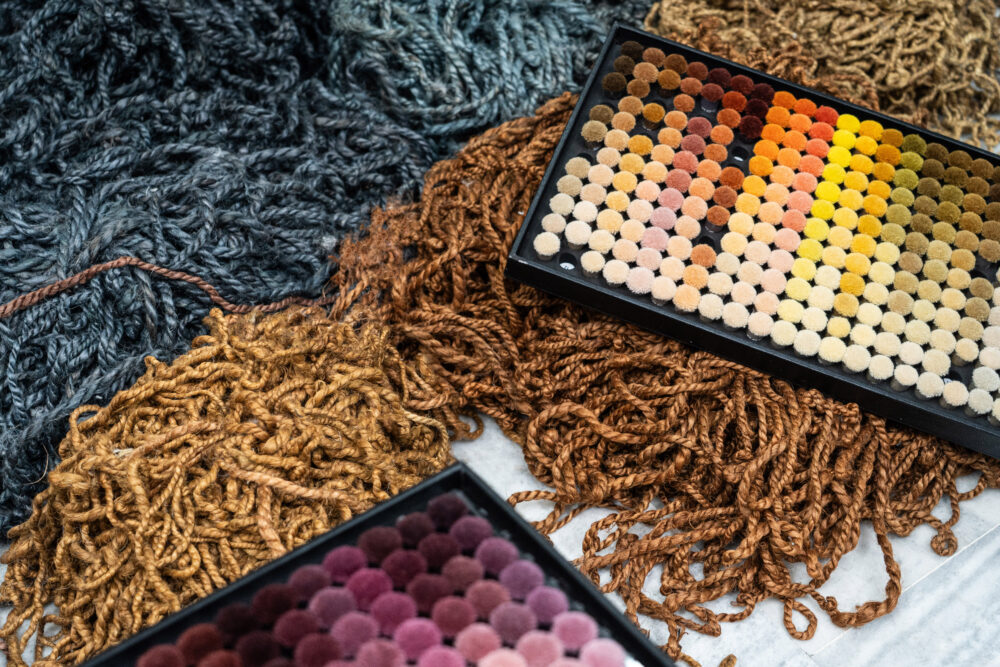
Sampling process: do not skip this step
Sampling is critical. It helps you check color, texture, and quality before full production.
Types of samples
- Strike-off: small color sample
- Lab dip: dye testing
- Full sample rug: final design preview
Therefore, always approve samples before production starts.
Quality control and finishing
Quality matters in every project. Therefore, manufacturers follow strict checks:
- Color accuracy
- Size consistency
- Weave strength
- Edge finishing
After production, rugs go through finishing processes like washing, trimming, and stretching. This ensures a clean and premium look.
Shipping and logistics
Shipping depends on order size and urgency.
Common shipping methods
- Sea freight: cost-effective, slower
- Air freight: fast, expensive
Also, packaging plays a key role. Rugs are rolled, wrapped, and protected to avoid damage.
Import considerations
For international buyers (USA, Europe, Australia):
- Check import duties
- Confirm documentation (invoice, packing list)
- Work with experienced exporters
Therefore, choose a supplier who handles export smoothly.
Custom rugs for hotels vs residential projects
For hotels
- Focus on durability and uniformity
- Choose strong materials like wool
- Ensure easy maintenance
- Plan bulk production
For residential projects
- Focus on design and comfort
- Allow more flexibility in materials
- Lower quantity orders possible
Common mistakes to avoid
- Not confirming MOQ before design
- Skipping sample approval
- Underestimating lead time
- Choosing wrong material for usage
- Ignoring shipping timelines
Therefore, plan carefully from the start.
Quick checklist for ordering custom rugs
- Finalize design and size
- Confirm MOQ and pricing
- Approve samples
- Check lead time
- Plan shipping and delivery
- Ensure quality checks
This checklist will help you avoid delays and issues.
Why choose a reliable manufacturer
A good manufacturer ensures:
- Clear communication
- Consistent quality
- On-time delivery
- Proper export handling
Therefore, always work with experienced suppliers.
If you are looking for custom handmade rugs for hospitality or residential projects, explore solutions with Rug Weavers.
Final verdict
Custom rugs offer flexibility, design control, and long-term value. However, success depends on planning. You must understand MOQ, lead time, and cost before placing an order. Therefore, work with the right partner, follow a clear process, and plan ahead. This approach will help you deliver successful projects with confidence.
FAQ
Q: What is the typical MOQ for custom rugs?
A: It can range from 1 piece to 50+, depending on the manufacturer
Q: How long does custom rug production take?
A: Usually between 45 to 120 days, including production and shipping.
Q: What affects the price of custom rugs?
A: Material, size, design complexity, and quantity all affect cost.
Call to action
If you want custom handwoven rugs or project quotes, contact Rug Weavers. Also, request samples and lead times on the contact page.