

Handwoven vs Machine-Made Rugs: Which Is Worth Your Money in 2026?
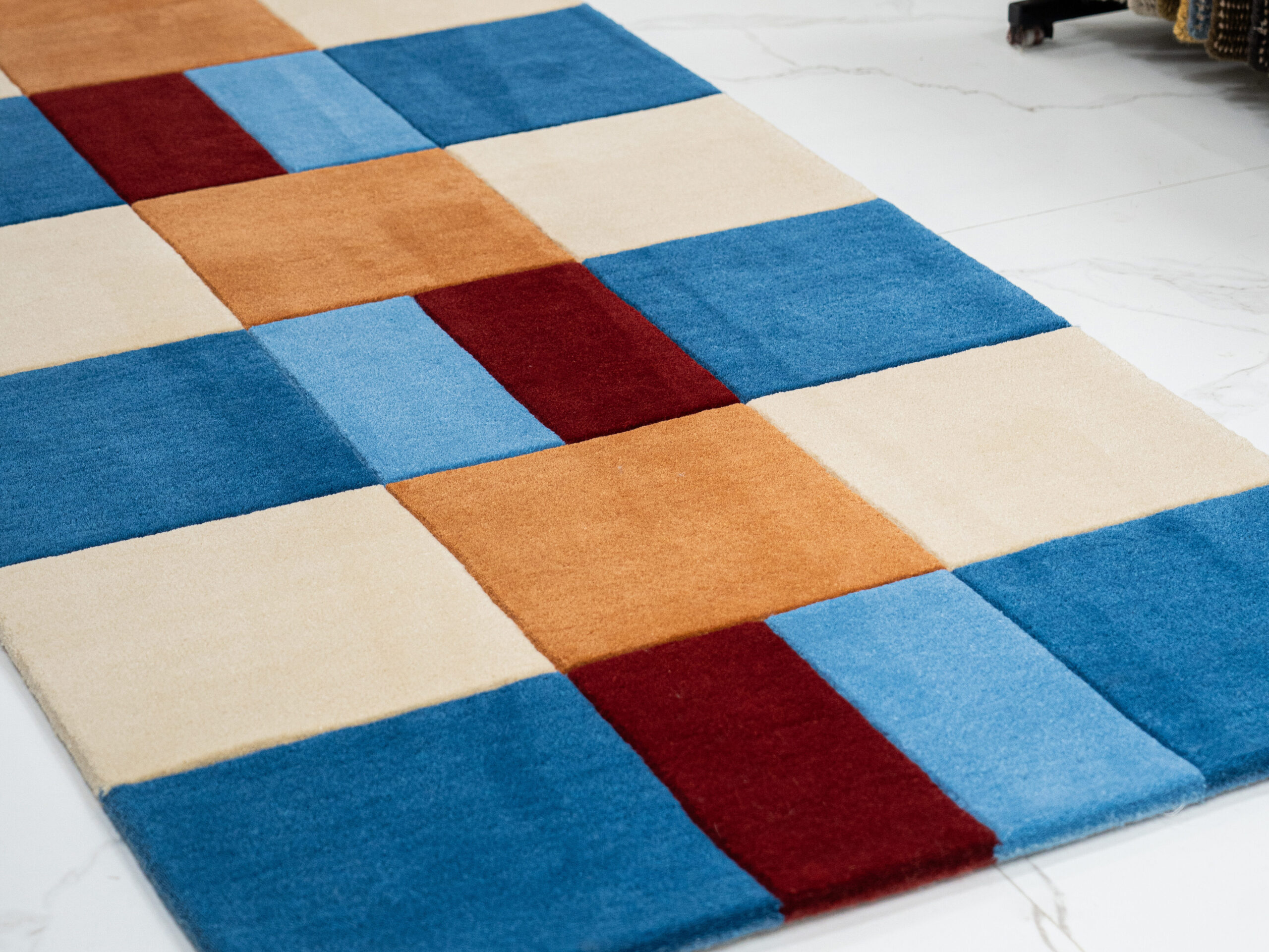
Choosing a rug means choosing value that lasts. First, you must weigh quality, cost and purpose. Second, decide whether you want a rug to last decades or just a few years. Below, you will find clear differences between handwoven vs machine-made rugs and a simple buying checklist to help you buy smart.
What “handwoven” and “machine-made” mean
First, handwoven rugs come from an artisan at a loom. They include hand-knotted, hand-tufted and flatweave pieces. Next, craftsmen use natural yarns like wool, cotton, jute or silk. In contrast, machine-made rugs come from power looms or tufting machines. Also, factories often use synthetic fibers such as polypropylene or nylon. Finally, this basic difference shapes feel, durability and repair options.
Durability and lifespan: why construction matters
Handwoven rugs last longer. Because we tie knots or weave threads by hand, the structure stays strong under heavy use. Moreover, natural fibers like wool resist crushing and bounce back after compression. Therefore, handwoven rugs often last decades with care. By contrast, machine-made rugs use glued or mechanically heat-set piles. Thus, they tend to shed and flatten faster. Consequently, you may replace a low-cost machine rug every few years in a busy room.
Materials and feel: natural vs synthetic
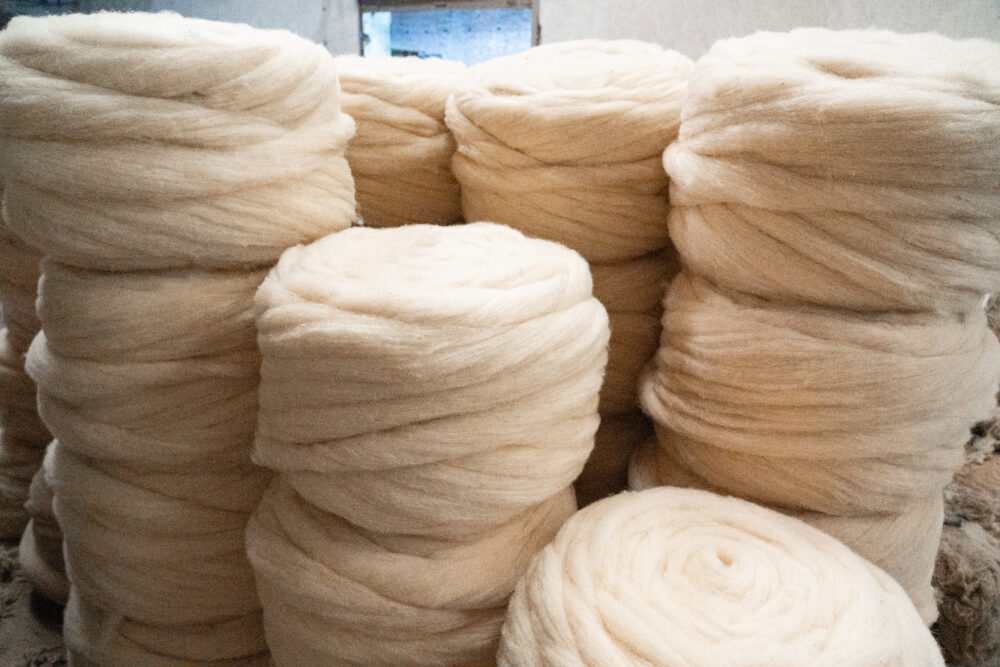
Handwoven rugs use natural yarns that breathe. As a result, they feel warm and rich underfoot. Also, natural fibers accept dyes and show subtle color shifts that machines cannot copy. Meanwhile, machine-made rugs can mimic patterns at low cost. However, they often feel flat and uniform. Therefore, if texture and depth matter, choose handwoven. On the other hand, if you need an inexpensive, consistent look for short-term use, a machine rug still works.
Cost and long-term value: cost-per-year comparison
At first, handwoven rugs cost more. However, they usually give better value per year. For example, if a handwoven rug costs $1,200 and lasts 20 years, your cost equals $60 per year. Conversely, a $200 machine rug that lasts 3 years costs about $67 per year. Thus, the handwoven rug already costs less over its lifetime. Moreover, handwoven rugs can be repaired and restored, which further extends their life and value.
Design and uniqueness: one-off vs repeat patterns
Handwoven rugs carry small variations that show craft. In addition, you can order custom colors and sizes for unique interiors. Designers value that uniqueness for curated homes and hotels. Meanwhile, machine-made rugs offer repeated patterns and exact matches. Therefore, use machine rugs when you need identical pieces across many rooms, but choose handwoven when you want character and story.
Repairability and sustainability
If a handwoven rug gets damaged, a skilled weaver can repair or reweave it. Thus, repair keeps the rug usable and preserves value. Also, natural fibers biodegrade and shed far fewer microplastics than synthetic rugs. Therefore, handwoven rugs often fit sustainable and low-impact design goals. Machine rugs, instead, usually end up in landfill after short use.
When machine-made rugs make sense
First, pick machine-made rugs for tight budgets. Next, choose them for short-term staging, kid’s playrooms, or outdoor events. Also, machine rugs work when you need exact repeats or ultra-fast replacement. Finally, remember that machine options can still look good. However, plan to replace them sooner.
Quick buyer checklist: choose the right rug
- Decide lifespan: Do you want a rug for years or seasons?
- Check the label: Look for hand-knotted, hand-tufted or handloom for handwoven.
- Ask materials: Prefer wool, cotton, jute or silk for handwoven quality.
- Request samples: Feel the yarn and inspect the back.
- Confirm repair options: Ask the seller about reweaving and color matching.
Simple care tips to protect value
- Rotate your rug every 3–6 months to spread wear.
- Vacuum regularly with suction only; avoid beater bars on delicate piles.
- Blot spills immediately; do not rub.
- Use a good rug pad to reduce abrasion.
- Schedule professional cleaning every 2–5 years for high-traffic areas.
Final take
In short, handwoven rugs usually give better long-term value, comfort and sustainability. However, choose machine-made rugs when cost or short-term use drives the decision. In the end, match the rug to the room and the intended lifespan. If you want custom handwoven options, samples or project pricing, contact Rug Weavers for details and lead times.
FAQ (short answers for quick readers)
Q: How long do handwoven rugs last?
A: With normal care, many handwoven rugs last 20–50 years.
Q: Are machine rugs ever a good choice?
A: Yes. Use them for short-term needs, low budgets, or exact repeated patterns.
Q: Can I repair a machine-made rug?
A: Basic patching may work, but most machine rugs are not fully reweavable.