

How to Layer Rugs Like a Pro: Texture, Color and Scale Tips
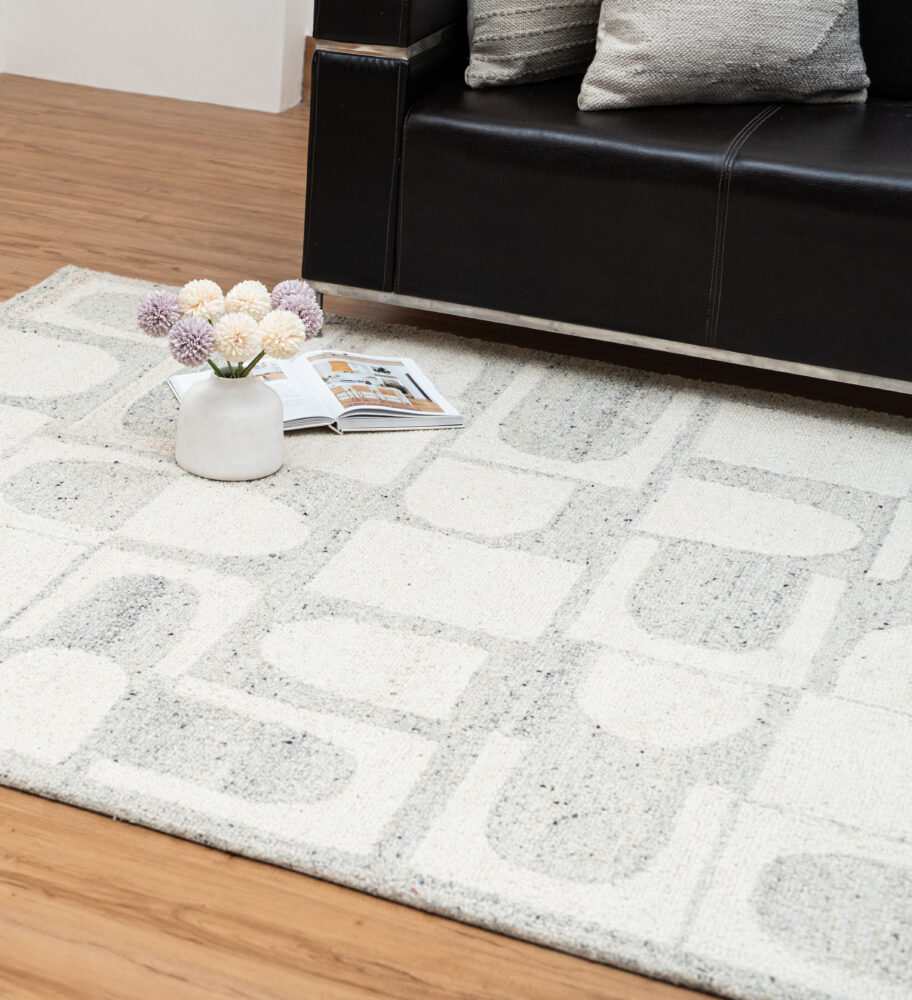
Layering rugs is a simple way to upgrade any space. It adds depth, warmth, and personality. Also, it helps you mix styles without changing your whole room. However, many people get it wrong because they ignore size, texture, or color balance. Therefore, this guide will help you layer rugs the right way.
Why layering rugs works
First, layering creates visual depth. Instead of one flat surface, you get multiple textures. Also, it helps define spaces in open layouts. For example, you can separate a seating area using layered rugs. In addition, layering allows you to use a bold rug without overwhelming the room.
Start with the right base rug
The base rug is the foundation. Therefore, it should be large and neutral.
Best base rug options:
- Jute rugs
- Wool flatweave rugs
- Neutral-toned rugs
These rugs provide a clean background. Also, they balance bold top layers. Therefore, always choose a base rug that fits your furniture layout.
Add a smaller top rug
Next, place a smaller rug on top. This rug adds color, pattern, and personality.
Good choices for top rugs:
- Patterned rugs
- Vintage-style rugs
- Handwoven accent rugs
However, the top rug should not cover the entire base. Instead, leave visible edges around it. This creates contrast and structure.
Focus on texture contrast
Texture plays a big role. Therefore, mix different textures for better results.
Examples:
- Jute base + wool top
- Flatweave base + shaggy top
- Smooth base + textured pattern
This contrast adds depth and makes the space feel rich. However, avoid using two similar textures, as it looks flat.
Choose the right color combination
Color balance is important. Therefore, follow simple rules:
- Use neutral base + bold top
- Match one color with existing furniture
- Avoid too many bright colors
Also, you can use earthy tones for a modern look. Or, use soft pastels for a calm feel. Therefore, choose colors that support your room’s theme.
Get the scale and size right
Size matters in layering. Therefore, follow this rule:
- Base rug → large (covers main area)
- Top rug → smaller (covers center area)
Also, the top rug should sit under key furniture like a coffee table. However, it should not extend beyond the base rug.
Example:
- Base: 8×10 ft
- Top: 5×8 ft
This creates a balanced layout.
Best rooms for rug layering
1. Living room
Layer rugs under the coffee table. This adds focus to the seating area. Also, it makes the room feel more complete.
2. Bedroom
Place a base rug under the bed. Then, add a smaller rug at the foot or side. This creates a cozy and stylish look.
3. Dining area
Layering works if done carefully. Use a flat base rug and a thin top rug. However, ensure chairs move easily.
4. Entryway
Use a durable base rug and a patterned top rug. This creates a strong first impression.
Common mistakes to avoid
- Using rugs of the same size
- Ignoring color balance
- Choosing thick rugs that overlap poorly
- Not using a rug pad
Therefore, always test placement before finalizing.
Use rug pads for stability
Layered rugs can shift. Therefore, use rug pads to keep them in place. Also, pads add comfort and protect the floor.
Mix styles with confidence
Layering allows you to mix styles. For example:
- Modern + vintage
- Minimal + bohemian
- Neutral + bold
However, keep one element consistent. This could be color, pattern, or texture. Therefore, your space will still feel balanced.
Quick styling formula
Follow this simple formula:
Neutral base + smaller patterned rug + texture contrast + correct size = perfect layering
This method works in most spaces.
Final verdict
Layering rugs is an easy way to improve your space. It adds depth, comfort, and style without major changes. However, you must focus on size, texture, and color balance. Therefore, follow simple rules and experiment with confidence.
If you want high-quality base rugs or unique top rugs, explore options with Rug Weavers.
FAQ
Q: Can I layer two patterned rugs?
A: Yes, but keep one pattern simple to avoid clutter.
Q: Do layered rugs work in small rooms?
A: Yes, if you use the right sizes and light colors.
Q: Should I use a rug pad for layering?
A: Yes, it prevents slipping and improves comfort.