

Top 10 Rug Sizes & Shapes: Simple Guide for Every Room
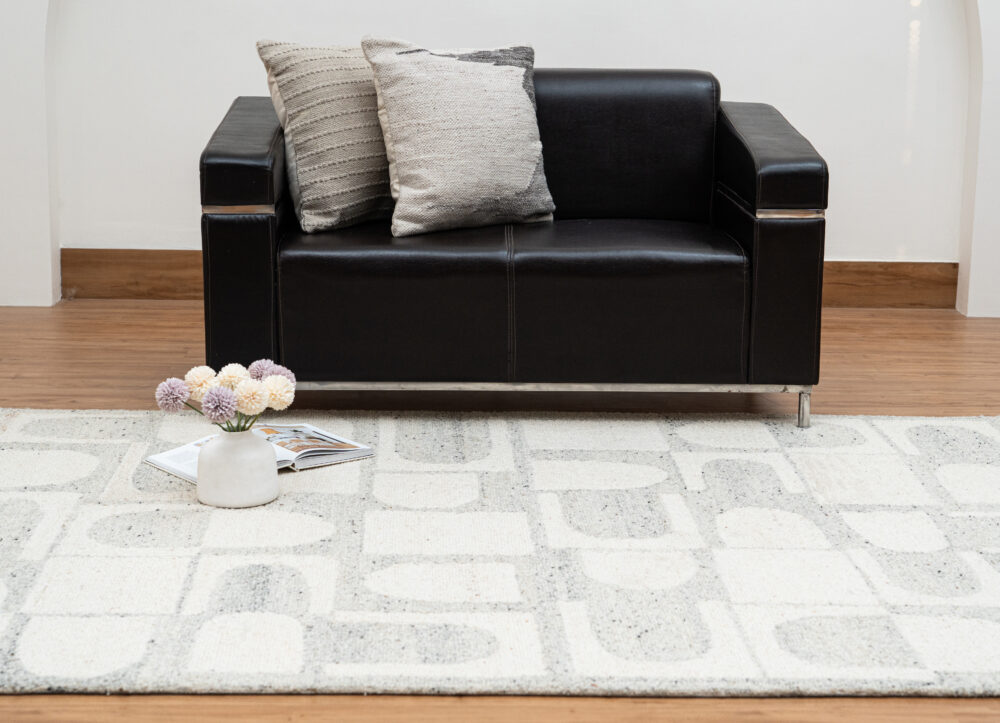
Choosing the right rug size and shape can transform your space. However, many people choose the wrong size and ruin the look of the room. Therefore, you must understand basic layout rules before buying. In this guide, you will learn the most common rug sizes, shapes, and how to use them in every room.
Why rug size matters
First, rug size defines the layout of your furniture. A small rug can make a room look disconnected. On the other hand, a large rug creates balance and flow. Therefore, always choose a size that fits your furniture, not just your floor.
Standard rug sizes you should know
Here are the most common rug sizes used in homes:
- 4×6 ft (120×180 cm) — small spaces, under coffee tables
- 5×8 ft (150×240 cm) — compact living rooms or bedrooms
- 6×9 ft (180×270 cm) — medium-sized rooms
- 8×10 ft (240×300 cm) — standard living rooms
- 9×12 ft (270×365 cm) — large living rooms and dining areas
- 10×14 ft (300×425 cm) — open-plan or large spaces
Therefore, always measure your room before choosing a size.
Top rug shapes and where to use them
1. Rectangular rugs (most popular)
Rectangular rugs work in almost every room. They fit under sofas, beds, and dining tables. Therefore, they are the safest choice for most buyers.
2. Round rugs
Round rugs soften the look of a room. They work well under round tables or in small seating areas. Also, they add visual interest to simple layouts.
3. Square rugs
Square rugs suit square rooms. They create symmetry and balance. However, they are less common than rectangular rugs.
4. Runner rugs
Runner rugs are long and narrow. Therefore, they work best in hallways, kitchens, and entryways.
How to choose rug size for each room
Living room
There are three main layout options:
- All legs on rug: Best for large spaces
- Front legs on rug: Most common and balanced look
- Coffee table only: Works for small rooms
However, avoid rugs that are too small. They break the visual flow.
Bedroom
Place the rug under the bed:
- Extend rug on both sides of the bed
- Use runners on each side for a simple look
- Choose soft textures for comfort
Therefore, a larger rug always works better in bedrooms.
Dining room
The rug should be larger than the table. Also, chairs should stay on the rug even when pulled out. Therefore, add at least 60–70 cm extra space around the table.
Hallways and entryways
Use runner rugs. Also, choose durable materials because these areas get heavy foot traffic.
Common mistakes to avoid
- Choosing a rug that is too small
- Ignoring furniture placement
- Using light colors in high-traffic areas
- Skipping rug pads
Therefore, always plan before you buy.
Tips for open-plan spaces
Open-plan homes need clear zones. Therefore, use rugs to define each area. For example:
- One rug for the living area
- Another for the dining space
Also, keep some space between rugs to avoid clutter.
Choosing the right shape
- Use rectangular rugs for large areas
- Use round rugs to soften corners
- Use runners for narrow spaces
- Use square rugs for balanced layouts
Therefore, match the shape with your furniture layout
Quick size guide (easy reference)
- Small room → 5×8 ft
- Medium room → 6×9 or 8×10 ft
- Large room → 9×12 ft or bigger
This simple rule helps you avoid common sizing mistakes.
Final verdict
The right rug size and shape can improve your entire space. Therefore, always measure your room, plan your layout, and choose wisely. A well-sized rug creates balance, comfort, and style.
If you want custom-sized rugs or expert guidance, explore options with Rug Weavers.
FAQ
Q: What is the most common rug size?
A: 8×10 ft is the most popular size for living rooms.
Q: Should a rug go under furniture?
A: Yes, at least the front legs should sit on the rug.
Q: Are round rugs good for small rooms?
A: Yes, they make small spaces look softer and more open