

How to Specify Rugs for Hospitality Projects: Specs, Durability & Contracts
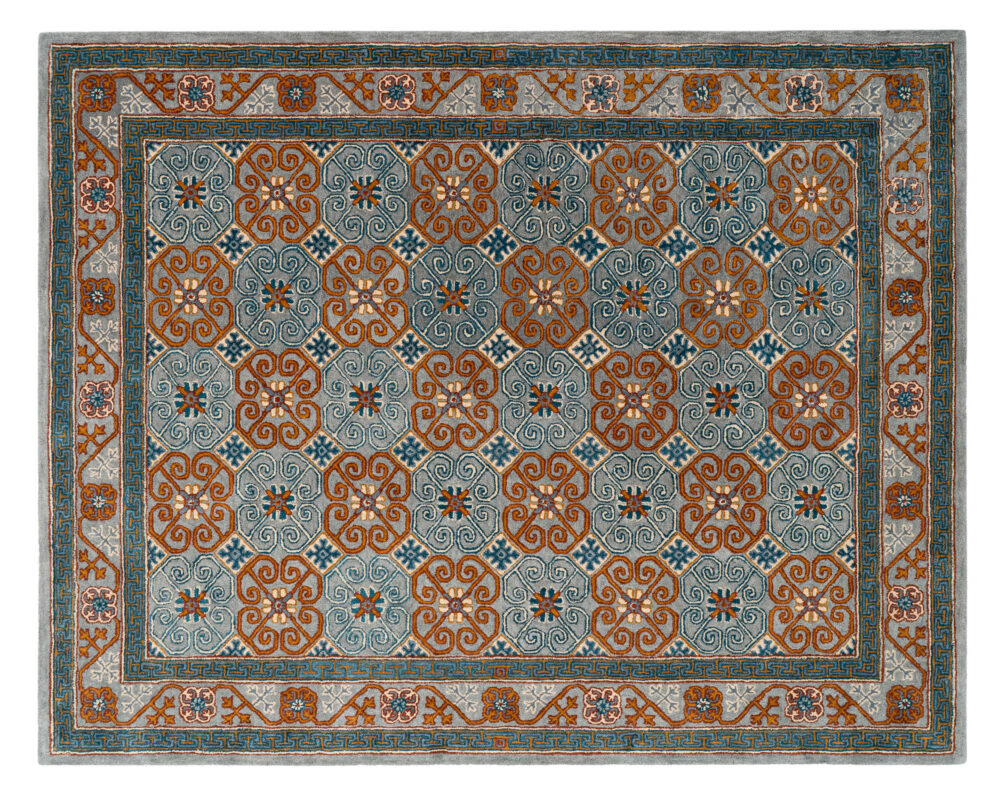
Hospitality projects demand precision. Hotels, resorts, and serviced apartments face constant foot traffic, strict timelines, and brand standards. Therefore, rug selection cannot rely on aesthetics alone. You must specify rugs with clear technical details, durability benchmarks, and contract terms. This guide gives a simple, practical framework that designers, architects, and procurement teams can use.
Why proper specification matters
First, correct specifications reduce risk. They help you avoid early wear, color mismatch, and delivery delays. Also, they align all stakeholders designers, suppliers, and contractors on one standard. As a result, projects run smoother and stay on budget.
Define the use case clearly
Start with the space and its traffic level.
- High traffic: lobbies, corridors, lift areas
- Medium traffic: guest rooms, lounges
- Low traffic: suites, private areas
Because each zone has different demands, you must choose materials and construction accordingly.
Choose the right materials
1. Wool (preferred for hospitality)
Wool is strong, resilient, and naturally stain-resistant. Also, it retains shape under pressure. Therefore, it suits high-traffic areas like lobbies and corridors.
2. Wool blends
Blends (wool + synthetic) balance durability and cost. They also improve stain resistance. Therefore, they work well for large-scale hotel projects.
3. Synthetic fibers
Polypropylene or nylon resist moisture and stains. However, they may not match wool in long-term durability. Therefore, use them in budget-focused or short-cycle projects.
4. Natural fibers (limited use)
Jute and similar fibers are eco-friendly. However, they absorb moisture. Therefore, use them only in dry, low-traffic zones.
Select the right construction
1. Hand-knotted rugs
- Highest durability
- Long lifespan
- Premium look
Therefore, use them in luxury hotels and flagship areas.
2. Hand-tufted rugs
- Moderate durability
- Faster production
- Lower cost than hand-knotted
Therefore, they suit mid-range hospitality projects.
3. Flatweave rugs
- Low pile, easy to clean
- Good for corridors and dining areas
Therefore, choose flatweaves for functional zones.
4. Machine-made rugs
- Cost-effective
- Faster delivery
However, they wear out faster. Therefore, use them for short-term or budget projects.
Key technical specifications
You must define clear specs in your documentation.
1. Pile height and density
Low pile works best for high traffic. Also, dense construction increases durability. Therefore, avoid thick, loose piles in busy areas.
2. Size and tolerance
Define exact sizes and acceptable variation (e.g., ±2%). This prevents fitting issues during installation.
3. Color fastness
Ensure colors resist fading from light and cleaning. Therefore, ask for test reports if needed.
4. Backing and finishing
Check edge binding, backing material, and reinforcement. Strong finishing prevents fraying and damage.
5. Fire and safety compliance
Hospitality projects often require fire-resistant materials. Therefore, confirm compliance with local standards (USA, EU, AU).
Maintenance and lifecycle planning
Rugs in hotels require regular care. Therefore, include maintenance plans in your specification.
- Daily vacuuming
- Immediate stain treatment
- Periodic deep cleaning
- Rotation to reduce wear
Also, define expected lifespan. This helps in budgeting and replacement planning.
Sampling and approval process
Never skip sampling. It ensures quality before full production.
Types of samples:
- Strike-off: color reference
- Lab dip: dye testing
- Full sample: final look and feel
Therefore, approve all samples before production starts.
Lead time and delivery planning
Hospitality projects run on strict timelines. Therefore, you must plan production and shipping carefully.
Typical timeline:
- Design approval: 1–2 weeks
- Production: 4–10 weeks
- Finishing: 1 week
- Shipping: 1–4 weeks
Delays can impact project opening dates. Therefore, always include buffer time.
Contract essentials
A clear contract protects both buyer and supplier.
Key elements to include:
- Product specifications
Define material, size, color, and construction clearly. - Pricing and payment terms
Include deposit, milestone payments, and final balance. - Delivery timeline
Specify deadlines and penalties for delays. - Quality standards
Define acceptable tolerances and inspection process. - Warranty and after-sales support
Include repair or replacement terms. - Shipping and insurance
Clarify who handles logistics and risk.
Therefore, a strong contract reduces disputes and ensures accountability.
Quality control checklist
Before shipment, confirm:
- Correct size and shape
- Color match with approved sample
- No weaving defects
- Proper finishing and packaging
Also, consider third-party inspection for large orders.

Common mistakes to avoid
- Ignoring traffic level when selecting materials
- Choosing design over durability
- Skipping sample approval
- Underestimating lead time
- Weak contract terms
Therefore, careful planning prevents costly errors.
Home vs hospitality specification
Residential projects
- Focus on comfort and design
- Lower durability requirements
- Flexible timelines
Hospitality projects
- Focus on durability and uniformity
- Strict timelines and bulk orders
- Strong compliance requirements
Therefore, always adjust specifications based on the project type.
Final verdict
Specifying rugs for hospitality projects requires a structured approach. You must balance design, durability, and cost. Also, you must define clear technical specs and contract terms. Therefore, plan early, work with experienced suppliers, and follow a detailed process.
If you need custom rugs for hotels, resorts, or large-scale projects, explore solutions with Rug Weavers.
FAQ
Q: What is the best rug material for hotels?
A: Wool or wool blends are the best due to durability and comfort.
Q: How do I ensure rug quality in bulk orders?
A: Use samples, define specs clearly, and conduct quality checks.
Q: What should be included in a rug supply contract?
A: Specifications, pricing, timelines, quality standards, and warranty.