

Why Handwoven Rugs Are Better Than Machine-Made Rugs: Durability, Value, Design
Introduction
Choosing a rug shapes a room. Therefore, choose with care. Handwoven rugs cost more at first. However, they give more value over time. Also, they add texture, warmth, and character. In short, a handwoven rug often becomes a long-term asset. Below, you will find clear reasons, simple facts, and a short buyer checklist.
What “handwoven” and “machine-made” mean
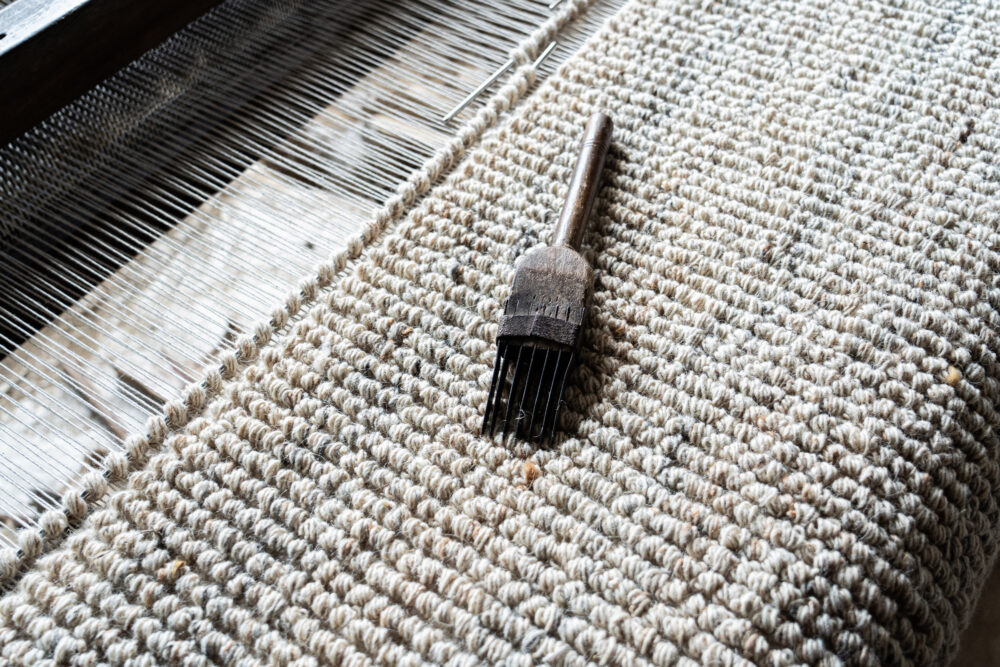
First, handwoven rugs come from skilled hands. Next, artisans use looms and knots. Then, they work with natural fibers like wool, cotton, jute, or silk. In contrast, machine-made rugs come from power looms or tufting machines. Also, factories use synthetic yarns such as polypropylene or nylon. Finally, this difference shapes lifespan, feel, and repair options.
1. Durability and lifespan
Handwoven rugs last longer. Artisans tie knots and build strong structures. As a result, the rug holds up under heavy use. Moreover, natural fibers such as wool resist wear and compress less. Likewise, artisans can repair or reweave damaged areas. On the other hand, machine-made rugs wear out faster. Consequently, you may replace them every few years in high-traffic rooms. Therefore, handwoven rugs cost less per year of use.
2. Better materials and comfort
Handwoven rugs use natural fibers. Thus, they feel warmer underfoot. Moreover, wool hides dirt and resists stains better than many synthetics. Also, natural fibers breathe, so they dry faster after cleaning. Similarly, handwoven pile shows depth and texture. In contrast, machine-made rugs often feel flat and thin. Therefore, for comfort and longevity, handwoven rugs win.
3. Craftsmanship and unique design
Handwoven rugs show small irregularities. However, these irregularities signal human work and quality. Moreover, artisans can blend colors by hand. As a result, each rug gains subtle tone shifts and depth. Also, you can order custom sizes and colors. In addition, designers prefer unique pieces for staged rooms and high-end projects. Meanwhile, machine-made rugs offer identical repeats and limited customization. Therefore, handwoven rugs deliver stronger design value.
4. Sustainability and health
Handwoven rugs often use biodegradable fibers. Therefore, they shed far fewer microplastics than synthetic rugs. Moreover, many artisans use low-impact or natural dyes. Also, hand production supports local communities and small supply chains. In contrast, machine-made production relies on petrochemicals and large factories. Consequently, handwoven rugs fit green homes and conscious buyers better.
5. Repairability and long-term value
If a handwoven rug gets a hole, a weaver can repair it. Likewise, restorers can reweave sections and match colors. Therefore, handwoven rugs keep their value and appearance for decades. Conversely, machine-made rugs often lack meaningful repair options. As a result, buyers replace them rather than fix them. In sum, handwoven rugs offer better lifecycle economics.
6. Practical scenarios: when to pick each type
First, pick a handwoven rug for family rooms, bedrooms, and hotel lobbies. Next, pick a machine-made rug for short-term staging or tight budgets. Also, pick machine-made options for outdoor patios or temporary events. However, when you plan to keep a rug for many years, invest in a handwoven piece. In short, match the rug to the use case.
Buyer’s checklist: choose a handwoven rug with confidence
- Ask about construction. Request details: hand-knotted, hand-tufted, or flatweave.
- Check materials. Ask for fiber type and origin.
- Request provenance. Ask who made the rug and where.
- Inspect knot count or pile density. Higher density often means greater durability.
- Ask about repair services. Confirm repair options and costs.
- Request samples. Feel the yarn and check the edges and backing.
Simple care tips
Use a quality rug pad to reduce steady abrasion.
Rotate the rug every 3-6 months to spread wear.
Vacuum regularly with suction only.
Blot spills immediately; never rub.
Schedule professional cleaning every 2-5 years for heavy-use areas.
Quick comparison table
| Feature | Handwoven Rugs | Machine-Made Rugs |
|---|---|---|
| Lifespan | 10-50+ years | 2-7 years |
| Materials | Natural fibers | Mostly synthetic |
| Repair | Repairable | Limited repair options |
| Design | Unique, custom | Repeated patterns |
| Sustainability | Lower footprint | Higher footprint |
Final verdict
Handwoven rugs deliver long-term value. Moreover, they improve comfort, design, and sustainability. However, choose machine-made rugs when cost or short-term use drives the decision. Overall, if you want a rug that lasts and tells a story, buy handwoven.
Call to action
If you want custom handwoven rugs or project quotes, contact Rug Weavers. Also, request samples and lead times on the contact page.