

Why Sustainable Rugs Matter: Materials, Certifications and Buyer Tips
Today, buyers care about more than design. They also care about impact. Therefore, sustainable rugs have become a strong choice for modern homes and projects. They offer style, durability, and a lower environmental footprint. However, not all rugs labeled “eco-friendly” are truly sustainable. So, you must understand materials, certifications, and smart buying tips before you decide.
What makes a rug sustainable?
Today, buyers care about more than design. They also care about impact. Therefore, sustainable rugs have become a strong choice for modern homes and projects. They offer style, durability, and a lower environmental footprint. However, not all rugs labeled “eco-friendly” are truly sustainable. So, you must understand materials, certifications, and smart buying tips before you decide.
Why sustainable rugs matter
First, traditional rugs made with synthetic fibers release microplastics. These particles enter air and water. As a result, they harm both health and the environment. Second, fast production often creates waste and pollution. Therefore, choosing sustainable rugs helps reduce this impact. Also, it supports artisan communities and responsible sourcing.
Key sustainable rug materials
1. Wool
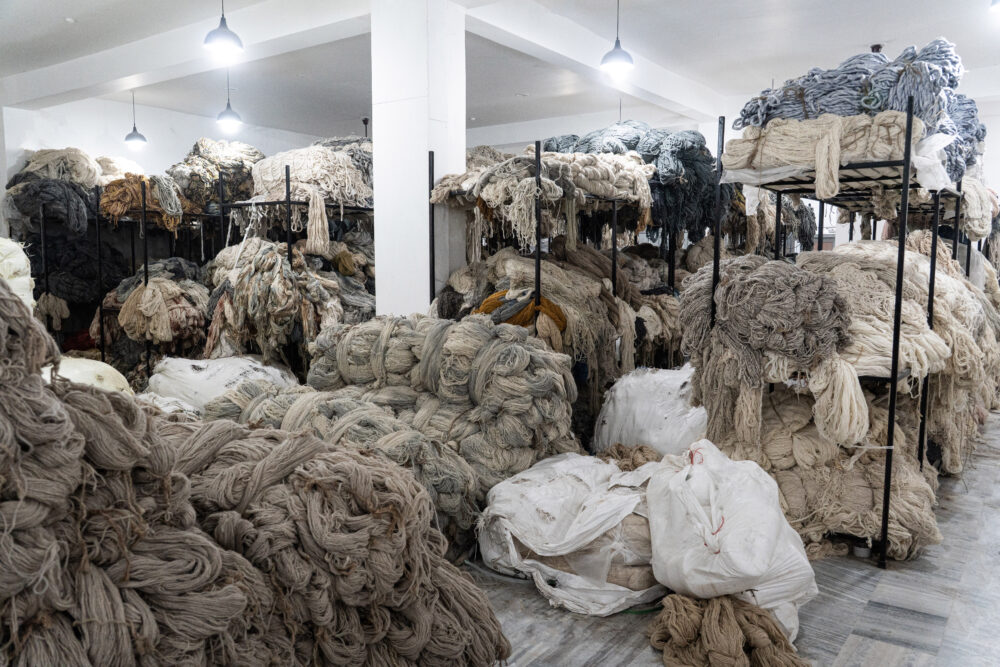
Wool is a natural and renewable fiber. It is strong, soft, and long-lasting. Also, it resists stains and fire naturally. Therefore, wool rugs are one of the best sustainable options.
2. Jute
Jute grows quickly and needs fewer chemicals. Because of this, it has a low environmental impact. Also, jute rugs are biodegradable and affordable. Therefore, they are a popular eco-friendly choice.
3. Cotton
Cotton rugs are lightweight and breathable. Organic cotton, in particular, avoids harmful chemicals. Therefore, it is safer for both people and the environment.
4. Recycled materials
Some rugs use recycled plastic or fabric. These rugs reduce waste by reusing existing materials. However, check quality and durability before buying.
Sustainable production methods
Sustainable rugs often use traditional weaving techniques. These methods use less energy than machine production. Also, handwoven rugs support skilled artisans. Therefore, they create both environmental and social value.
In addition, many manufacturers now use low-impact dyes. These dyes reduce water pollution. So, always ask about dyeing processes when you buy.
Certifications to look for
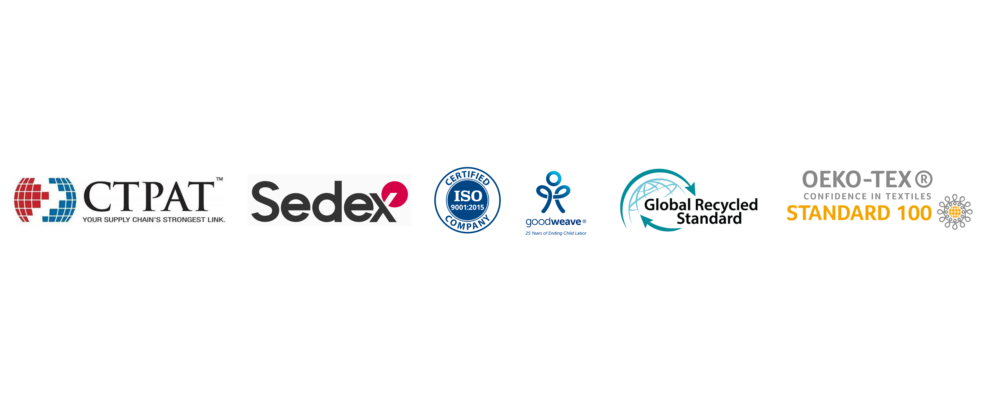
Certifications help you verify sustainability claims. However, not all labels are reliable. Therefore, focus on recognized standards:
- GOTS (Global Organic Textile Standard): Ensures organic materials and safe processing
- GoodWeave: Confirms no child labor and fair working conditions
- OEKO-TEX: Tests for harmful substances
- Fair Trade: Supports ethical wages and working conditions
Therefore, always check labels before you trust “eco-friendly” claims.
Benefits of sustainable rugs
1. Better for the environment
Sustainable rugs reduce pollution and waste. Also, natural fibers break down over time. Therefore, they do not harm the planet like synthetic materials.
2. Healthier indoor air
Natural rugs release fewer chemicals. As a result, they improve indoor air quality. Therefore, they are safer for families and children.
3. Long-term durability
High-quality sustainable rugs last longer. Therefore, you replace them less often. This reduces both cost and waste over time.
4. Ethical value
Sustainable rugs support artisan communities. Therefore, your purchase contributes to fair wages and better working conditions.
Common myths about sustainable rugs
Myth 1: Sustainable rugs are too expensive
While some cost more, they last longer. Therefore, they offer better value over time.
Myth 2: Eco-friendly means low quality
In reality, many sustainable rugs use high-quality materials like wool. Therefore, they often perform better than synthetic rugs.
Myth 3: Limited design options
Today, sustainable rugs come in many styles. Therefore, you can find options for modern, classic, or minimal interiors.
Buyer tips: how to choose a sustainable rug
- Check material source: Prefer natural or certified materials
- Look for certifications: Verify claims with trusted labels
- Ask about production: Choose handwoven or low-impact processes
- Consider durability: A longer life means better sustainability
- Buy from trusted brands: Choose suppliers with clear transparency
Sustainable rugs for homes vs projects
For homes
Focus on comfort and safety. Choose wool or cotton rugs for living spaces. Also, pick designs that match your interior style.
For hotels and projects
Focus on durability and scale. Choose high-quality materials and certified production. Also, ensure easy maintenance and long-term performance.
Final verdict
Sustainable rugs are more than a trend. They are a smart and responsible choice. They combine style, durability, and environmental care. Therefore, if you want a rug that looks good and does good, choose sustainable options.
If you are looking for eco-friendly handmade rugs or custom solutions, explore collections from Rug Weavers.
FAQ
Q: Are sustainable rugs durable?
A: Yes, especially those made from wool and natural fibers.
Q: How can I check if a rug is truly eco-friendly?
A: Look for certifications like GOTS, GoodWeave, or OEKO-TEX.
Q: Are sustainable rugs more expensive?
A: They may cost more upfront but last longer, so they offer better value.